Press release: OPFS response to Scottish Budget 2026-27

On 13 January 2026, the Scottish Government announced its spending priorities for 2026/27

13/01/2026

News
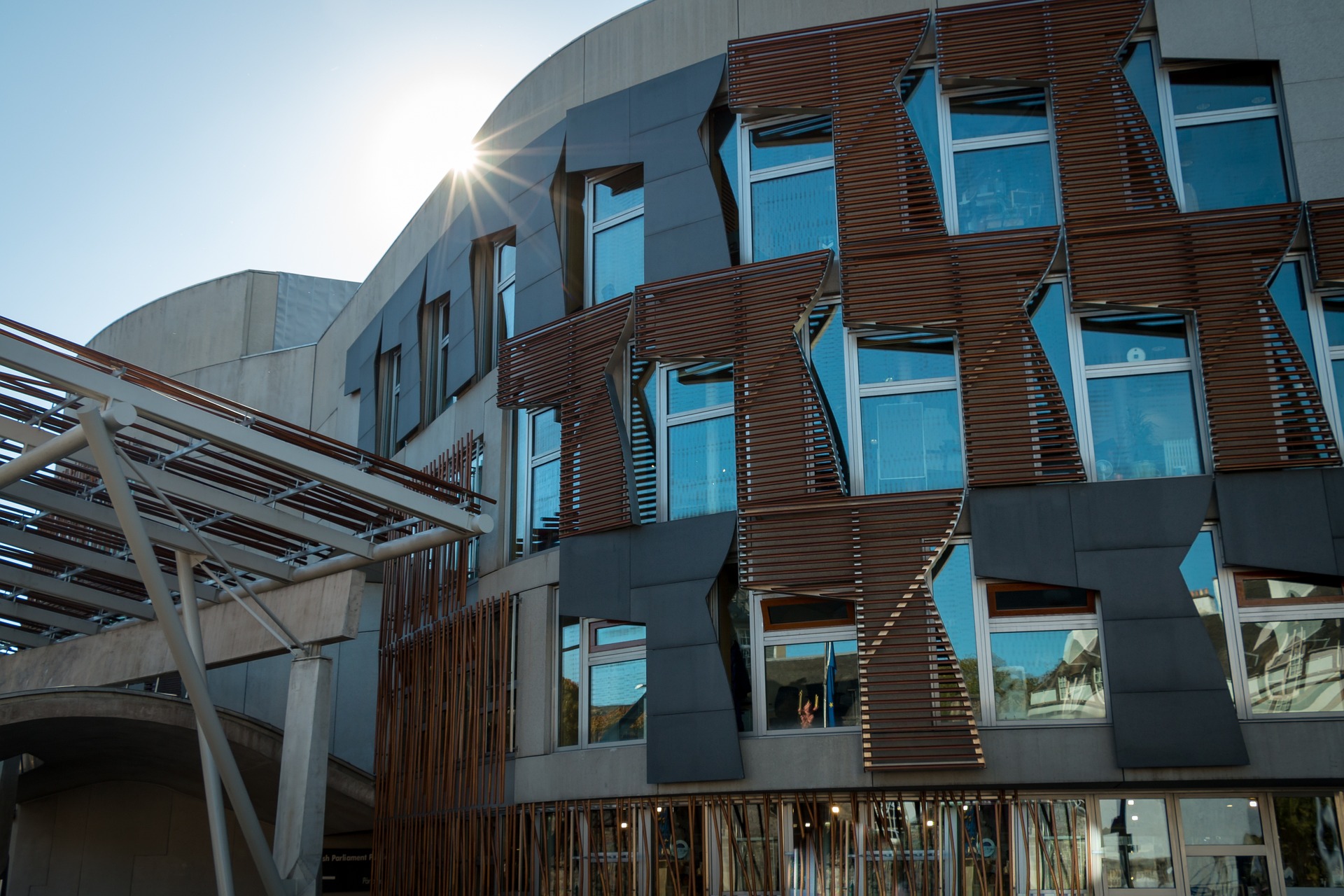
Scottish Parliament building
This long-awaited budget lacks ambition. It fails to deliver for children and families. This is a missed opportunity to invest in the future of our children.  

- Charis Chittick, OPFS Head of Policy, Strategy and Communications

OPFS Head of Policy, Strategy and Communications, Charis Chittick, said

“This long-awaited budget lacks ambition. It fails to deliver for children and families. Right now, 1 in 3 children in Scotland growing up in single parent families (36%) are living in poverty. This is a missed opportunity to invest in the future of our children.  

“At OPFS, we are deeply concerned that the Scottish Government has failed to increase the Scottish Child Payment beyond the statutory requirement. Putting money directly into families’ pockets can make a real difference for our children, enabling their families to pay for life’s essentials. As costs continue to rise, families are under increasing pressure to make ends meet. No-one should have to go without to ensure their children are fed. 

“We welcome the commitment to increase the Scottish Child Payment to £40 for babies under one. This goes a long way to recognise the additional costs face by families with the youngest children. However, more targeted support is needed for all priority families, including single parent families.  

“We are encouraged to see commitment to more sustainable funding for Whole Family Support and we eagerly await the publication of the Tackling Child Poverty Delivery Plan. We look forward to working with the Scottish Government alongside other organisations and families in Scotland to develop a plan that delivers on our shared goal of tackling child poverty.” 

Exit this
site now
Privacy Overview

This website uses cookies so that we can provide you with the best user experience possible. Cookie information is stored in your browser and performs functions such as recognising you when you return to our website and helping our team to understand which sections of the website you find most interesting and useful.

View Privacy policy

Covering your tracks

You may not want other people to know that you’ve been searching for information or help from OPFS.

When browsing the internet whether on a mobile phone, tablet or computer, you leave a ‘history’ trail of pages and sites you’ve visited.

It’s impossible to completely avoid being tracked online but if you’re worried about someone knowing which sites you’ve been looking at, there are some things you can do to help cover your tracks.

If you’re using a laptop or desktop computer, try keeping another document or website open in a new tab or window while browsing. If someone comes in the room and you don’t want them to see what you’re looking at, you can quickly switch to another window or tab.

Deleting browsing history

You can delete the history of websites you’ve visited, but it’s important to know that if you delete your browsing history, someone else using the same device may notice.

If you share a tablet, mobile phone, laptop or computer with someone, they might notice that passwords or website addresses have disappeared from their history.

Find out how to remove your browsing history and other data from some of the most commonly used browsers:

Browsing in Private mode (incognito)

When browsing ‘incognito’, the internet browser won’t store cookies or record your browsing history on the computer, mobile or tablet.

This option is available on popular web browsers i.e. -

Toolbars

If you use a search toolbar in your web browser, remember that your searched items can be saved as part of your history. Find out how to delete your searched items from the following search engines: